
Edizione
WUDRome 2021
Design for our Online World: Integrity, Ethics and Trust
Sessione · 12 novembre 2021
AI for Mental Health - Are we building the right tools?
Simone Pozzi e Giuseppe Frau
The talk is inspired by the topics and challenges faced by the FAITH research project, which aims to develop an AI-based instrument able to recognize depression signs in post cancer patients.
This is done by analyzing daily life data of the patients such as nutrition, sleep quality, physical activity and voice patterns. The goal of the talk is twofold: on one side we want to highlight a tech/engineering related problem, namely the trend of building tools that replace practitioners overlooking the impacts on the specific contexts.
On the other side, we will describe how we are tackling this problem. When AI is used for recognizing depression signals, the risk is to end up with a “mere” diagnostic tool. Let’s assume we manage to develop a perfect algorithm that detects depression; at a first sight this might look as the desired achievement; as we look deeper, however, we face several important challenges and paradoxes.
For example What happens if the tool is used autonomously by a patient? Would the patient be negatively influenced by a tool that is suggesting a high risk of depression? How useful would a tool that recognizes depression be compared to a diagnosis done by a psychiatrist?
In the talk, we will analyse these problems to show that their implications are far from trivial. We will use the tool we are developing in the FAITH project and the approach we are using to build an instrument capable of recognizing mental health risks before becoming a clinical problem, monitoring patients status even in situations where direct contacts are difficult (as in the case of post cancer patients, but valid also for the ones introduced by the pandemy).
Furthermore, we will have a look at common challenges that arise when AI is introduced in critical context like the mental health one: Results transparency & AI explainability Responsibilities in case of errors Autonomy of the practitioners (how comfortable would be a practitioner to override the AI results when they think it is not accurate)
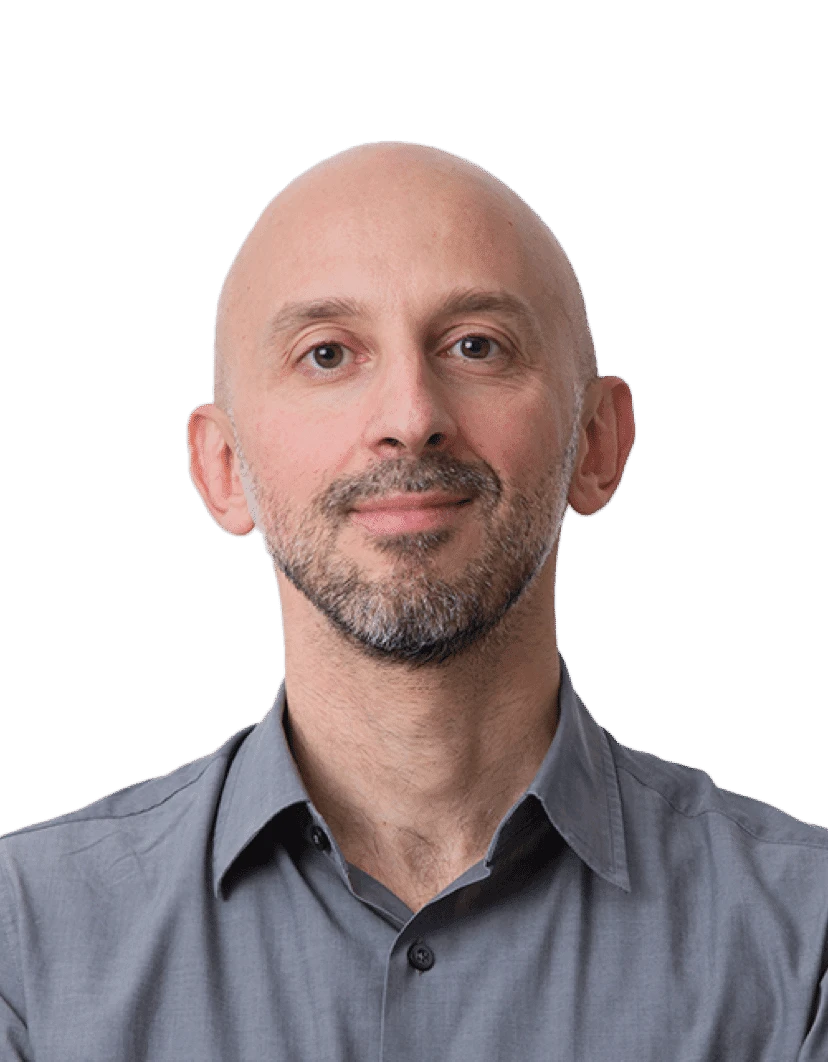
Speaker
Simone Pozzi
CEO
Simone Pozzi has been working as Human Factors and Safety R&D expert in Deep Blue since 2001, first as part of PhD (achieved in 2006, specialisation in Human-Computer Interaction) and then as a consultant.
His expertise covers the application of Human Factors in everyday life and in safety critical systems, like Civil Aviation, Oil & Gas, Healthcare, with a long experience in user research and assessment methods.
He is member of the ACARE WG4 on Safety & Security and Lecturer in Human Factors at the EUROCONTROL Training Institute (IANS) in Luxembourg, for the International Air Transport Association (IATA), for the European Space Agency.
In the past 5 years, Simone has acquired funding for 5 EU projects - with DBL as the coordinator - in the area of Human Factors and Safety.
Speaker
Giuseppe Frau
Deep Blue
Giuseppe Frau is a computer scientist, expert in data analysis and human computer interaction. He obtained his PhD at the University of Roma Tre with a thesis on the visualization of uncertain data for general aviation pilots.
Giuseppe joined Deep Blue in 2011, he participated and conducted several R&D projects and consultancy activities in the safety critical domains with the roles of data analyst, human factors expert and software developer.
Currently leading the Tech team in Deep Blue, and involved in the FAITH project for the development of an AI system to detect depression in cancer patients and in the development of a tool for the assessment of cyber security risks and impacts. You can meet him biking around Rome.

Le altre edizioni